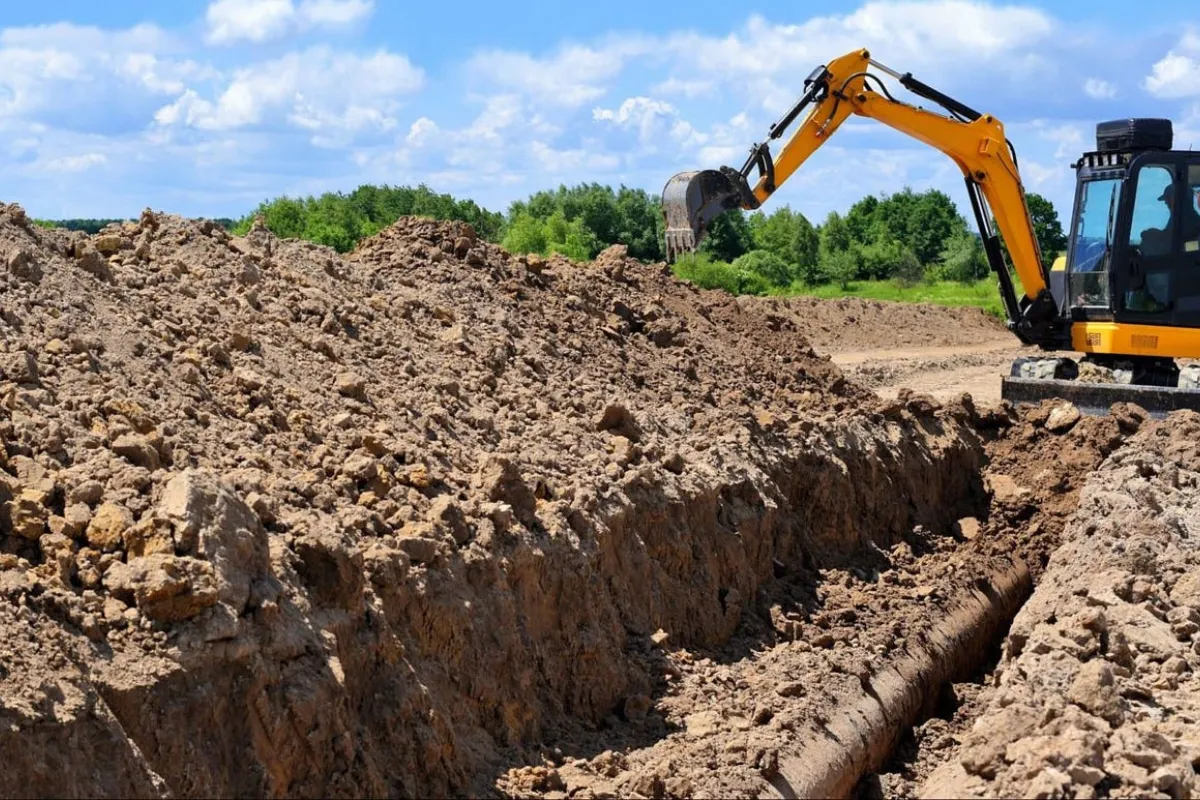
Broken, crushed, bellied, or collapsed lines excavated and replaced. We camera and locate first so we dig only where we have to — and put your property back together.
Cleaning solves a blockage. It cannot solve a pipe that has failed structurally. If your sewer line is collapsed, crushed by soil movement, fractured by roots, badly offset at the joints, or sagging into a belly that holds standing water, no amount of cabling or jetting changes that. You can pay to clear it every few months, or you can fix it once.
We don't recommend excavation lightly, and we never recommend it without showing you the footage that justifies it. But when the pipe is done, digging it up and replacing it is the honest answer — and the last time you'll have to think about that line for decades.
Vitrified clay tile is jointed every few feet and brittle. Cast iron corrodes from the inside until the wall thins and breaks. Orangeburg — a tar-impregnated fiber pipe used mid-century — deforms into an oval and collapses, often within 40 to 50 years. Many homes here still have one of these three underground.
Roots don't just block a pipe; over years they widen the crack they entered through until the pipe wall fails around them. What starts as a cleaning problem becomes a structural one.
Our expansive clay soils swell and contract with moisture, and freeze-thaw cycles work joints loose. The result is settling, offset joints, and bellies where solids collect permanently.
Improper slope, inadequate bedding, or shortcuts taken decades ago show up eventually. A line installed without proper support will belly no matter what it's made of.
Every excavation job starts with a camera inspection. We identify the defect, then track the camera's sonde from the surface to mark its exact position and depth. This single step is what keeps the dig small.
You get the findings and the options in writing: spot repair of a failed section versus full lateral replacement, with the trade-offs explained. If a spot repair is genuinely adequate, we'll say so.
We pull the required permits and have all utilities located and marked before a shovel moves. Gas, electric, water, and communications lines frequently share the corridor.
We open only the marked area, protect surrounding landscaping and hardscape, and stage spoil on covering so it doesn't kill your lawn or stain your driveway. Shoring and safe trench practices are standard, not optional.
Failed sections come out and new pipe goes in — properly bedded, correctly sloped, and joined to sound existing pipe with appropriate couplings. Modern PVC installed right will outlast everyone reading this page.
The work is inspected, then we backfill in compacted lifts to minimize future settling, restore grade, and put sod, concrete, or landscaping back. We finish with a final camera pass so you see the new line running clean.
A spot repair makes sense when the rest of the line is in good condition and the failure is isolated — a single crushed section under a driveway, for instance. Full replacement makes sense when the pipe material is at end of life throughout, when there are multiple defects along the run, or when repeated spot repairs would cost more than doing it once. The camera footage of the entire run — not just the failure point — is what tells us which situation you're in, and we'll walk you through it before you decide.
Plenty of excavation contractors leave a mound of dirt and a business card. We backfill properly so the trench doesn't sink six months later, re-grade the area, and restore the surface we disturbed. You should be able to look at the yard a season later and struggle to find where we worked.
Excavation drain and sewer line repair in Colorado Springs, Monument, Larkspur, Castle Rock, Castle Pines, Peyton, and Woodland Park. Free estimates, camera-documented scope, upfront pricing, and locally owned accountability.
Call (719) 639-4137 and let's find out whether your line can be cleaned — or needs to be replaced.
Straight answers from the crew that does the work.
It varies widely with depth, length, soil, and what's on the surface — landscaping, driveway, sidewalk, or street all change the number. That's why we camera and locate first: an accurate scope produces an accurate price. Estimates are free and always in writing.
A spot repair on an accessible section is often a one-day job. A full lateral replacement typically runs two to three days including permitting, excavation, pipe installation, inspection, and backfill.
No. We locate the defect precisely with a camera and sonde so we only open the ground where the work has to happen. We stage spoil on protective covering and restore grade and sod when we backfill.
Sewer lateral work generally requires a permit and inspection. We handle permitting and coordinate the required inspections as part of the job.
Standard homeowners policies usually exclude the buried lateral itself, though some carriers offer service line endorsements, and some backup damage may be covered separately. Check your policy — and keep our camera footage and documentation for any claim.
Drains, sewers, and excavation — that's all we do.
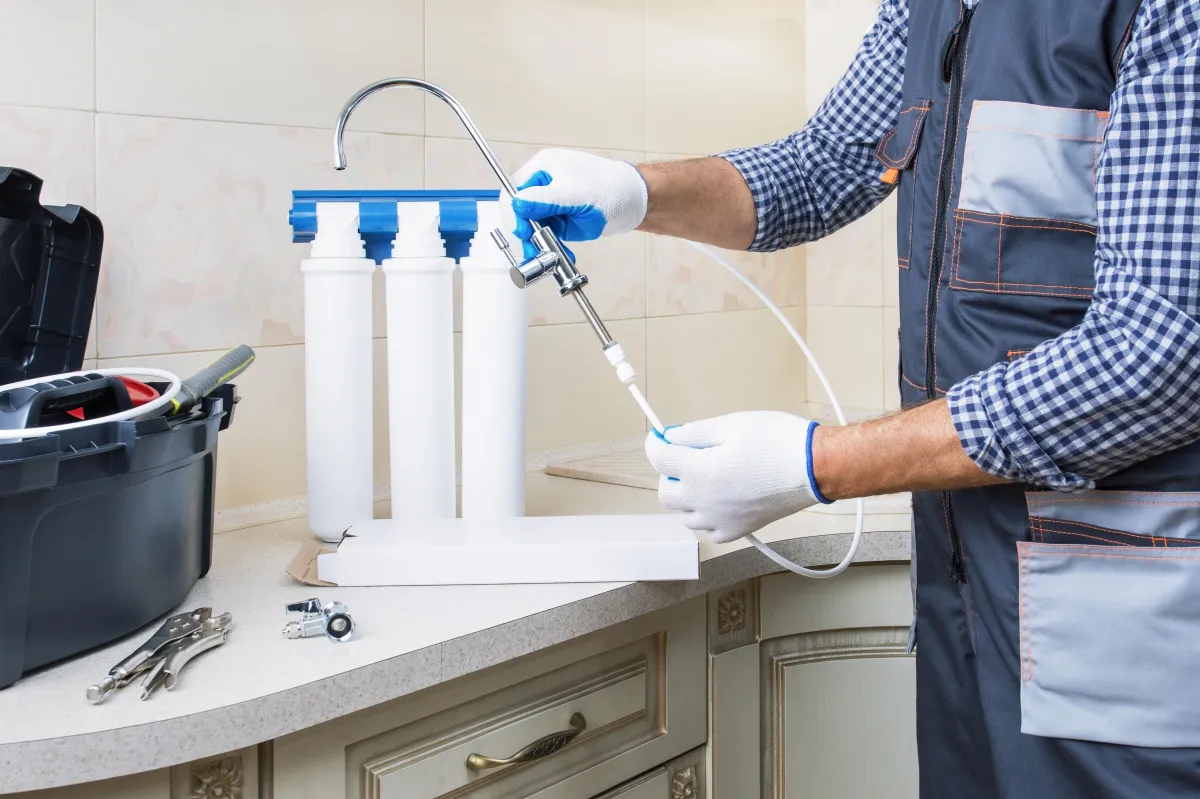
Clogs, roots, grease, scale — cleared fast, with flow confirmed before we leave.
Learn More →
High-pressure water scours pipe walls clean — and stops repeat clogs for good.
Learn More →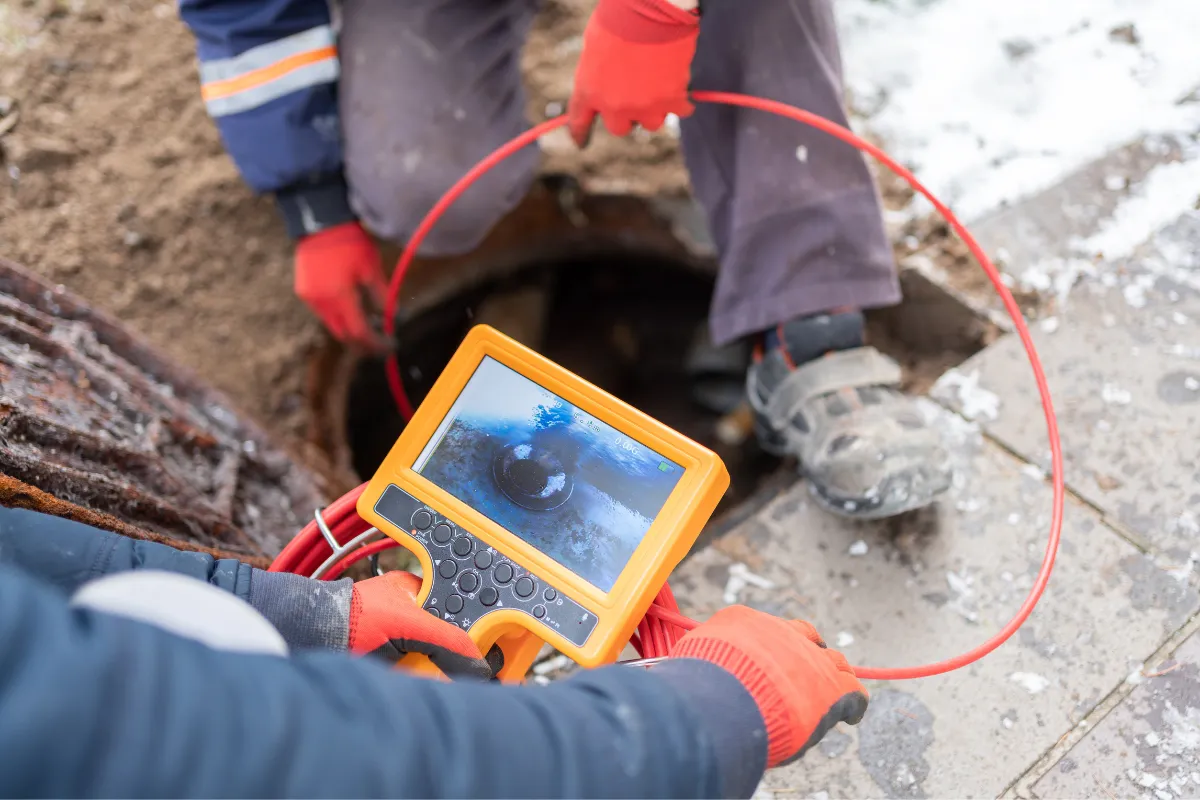
See inside your line in real time. No guesswork, no unnecessary digging.
Learn More →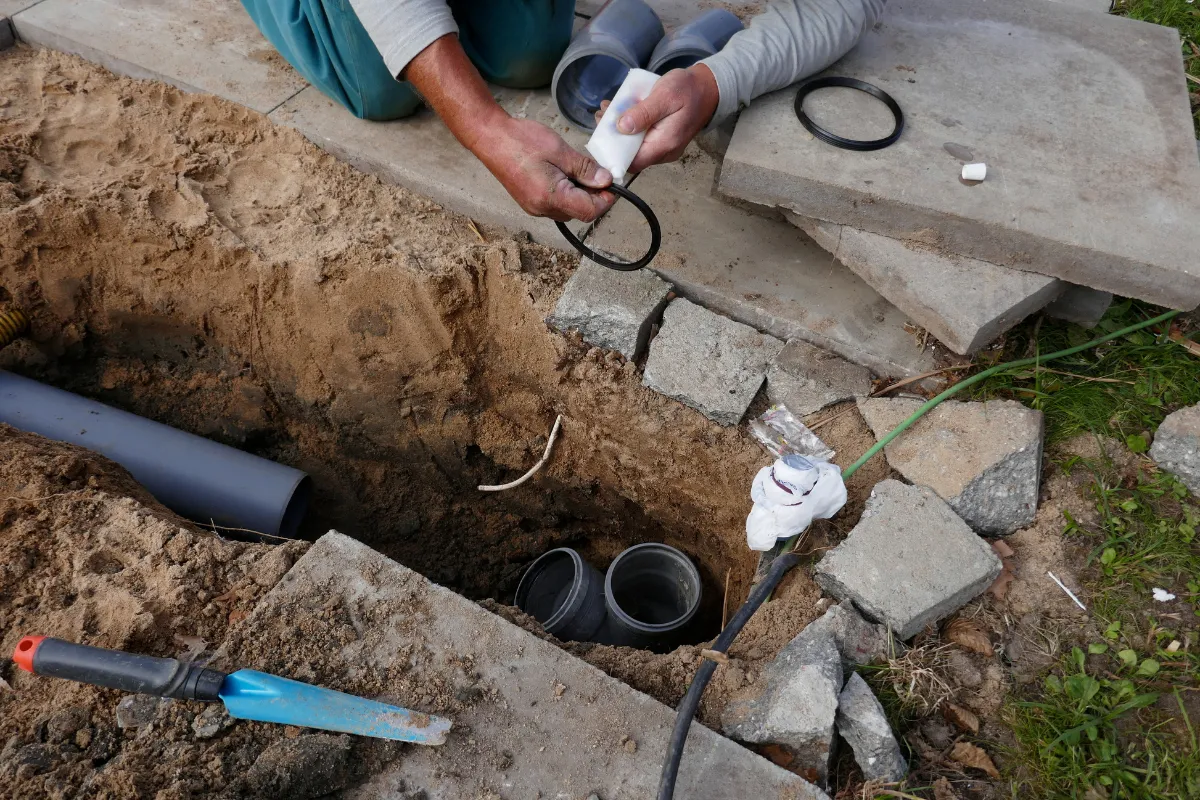
Every drain backing up at once? It's the main line. We clear it and camera it.
Learn More →Free estimates. Honest answers. Same-day service in most cases. We clear the problem — fast.
Request ServiceCall (719) 639-4137